Here's What You Should Know About Fan Coil Units

Fan coil units are key components in modern HVAC setups, providing effective temperature control for homes, offices, and industrial spaces. These units offer precise comfort and energy efficiency by regulating indoor temperatures. In this article, we’ll explain how they work, the different types available, and help you choose the right one for your needs.
How Do Fan Coil Systems Work?
Fan coil systems function by circulating air through coils filled with hot or cold water. The fan pulls air into the unit, moves it across the coils, and then circulates the conditioned air back into the room. This process allows for effective heating or cooling, depending on the setting.
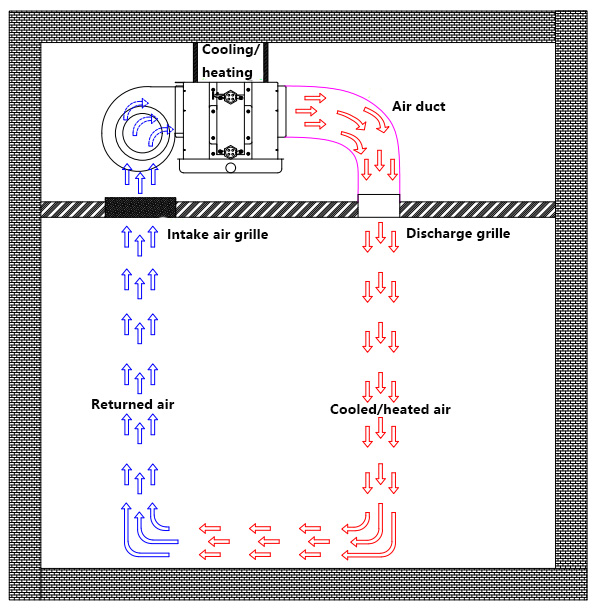
Key components of a fan coil system include:
- The Fan: Circulates air throughout the room.
- The Coil: Contains either hot or chilled water to adjust the air temperature.
- Air Filters: These filters help clean the air and keep the system running efficiently.
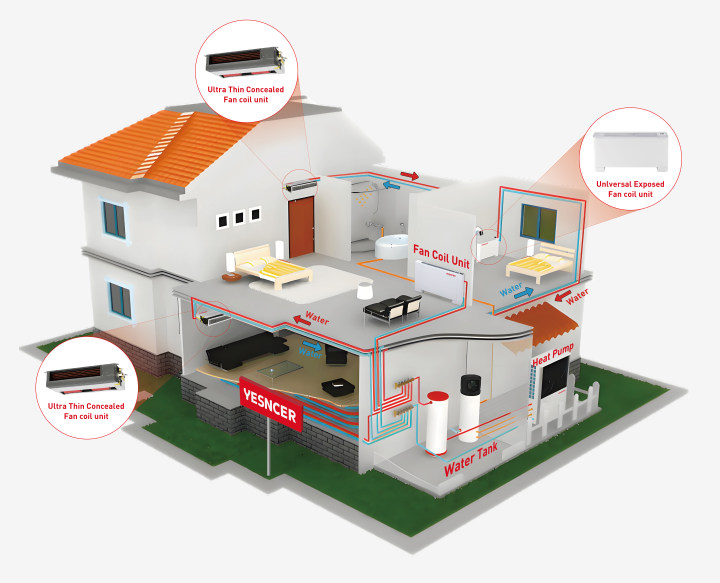
Fan coil units are often connected to centralized heating or cooling systems, but they can also function independently in a single space.
Types of Fan Coil unit
Fan coil systems come in various configurations. Understanding these types helps you select the best one for your space.

1. Blow-through and Draw-through Systems
These units differ in how the fan interacts with the coils:
- Blow-through systems: The fan is placed behind the coils, pushing air through them before it’s released into the room. These systems are typically more efficient for cooling.
- Draw-through systems: The fan is placed in front of the coils, drawing air through them before circulating it back into the space. Draw-through systems are preferred for heating or dehumidification.
2. Refrigerant vs. Hydronic Systems
Fan coil systems can be divided into two categories based on the fluid circulating through the coils:
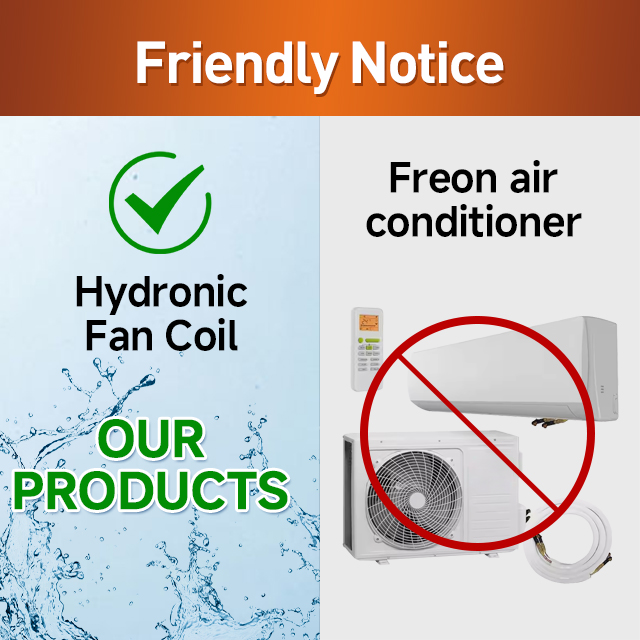
- Refrigerant-based systems: These units use refrigerant to heat or cool the air. They are commonly used in split-system air conditioners.
- Hydronic systems: These use hot or chilled water to regulate the temperature. Hydronic fan coil units are often found in larger buildings with centralized systems.
3. Two-pipe vs. Four-pipe Systems
Hydronic fan coil unit typically come in two main types:
- Two-pipe systems: These systems have one coil and a single set of pipes that carry either hot or cold water. They are ideal for spaces that need heating or cooling, but not both at the same time.
- Four-pipe systems: These systems have two coils and two sets of pipes—one for heating and one for cooling. This setup allows for both heating and cooling at the same time, making it perfect for environments that require year-round climate control.

Choosing the Right Fan Coil System
When selecting a fan coil system, consider these factors:
- Space Size: Smaller spaces may only need a two-pipe fan coil unit, while larger buildings benefit from the flexibility of a four-pipe fan coil unit.
- Climate Needs: If your space needs both heating and cooling simultaneously, a four-pipe system is the most efficient choice.
- Energy Efficiency: Look for units that offer high energy efficiency to keep your long-term heating and cooling costs low.
Fan coil systems offer a versatile and efficient way to manage indoor temperatures. By understanding how they work and the different types available, you can choose the best system to meet your needs and maximize both comfort and energy savings.
Comparing Screw and Centrifugal Compressors in HVAC Systems
Why Fan Coil Units Are Critical for Commercial HVAC Systems
Related Article
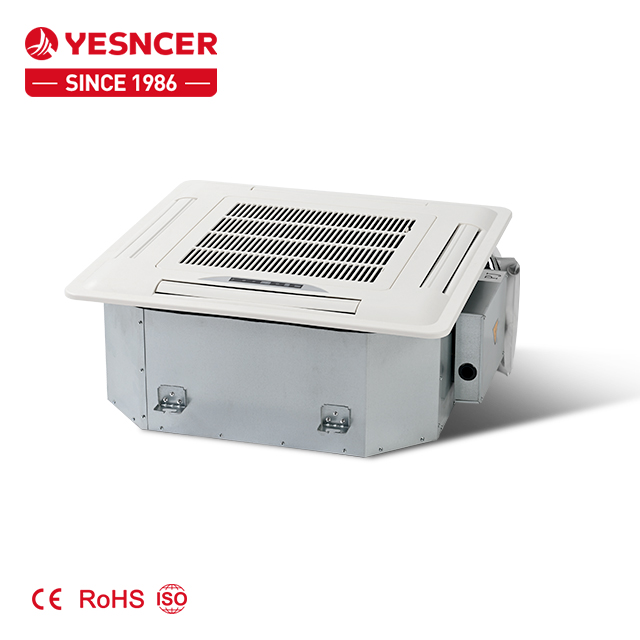
The YESNCER 4-Way Cassette Fan Coil Unit (Model: FP-34 ~ FP-238) is engineered for high-performance air conditioning — ideal for hotels, offices, hospitals, schools, and luxury residential buildings.