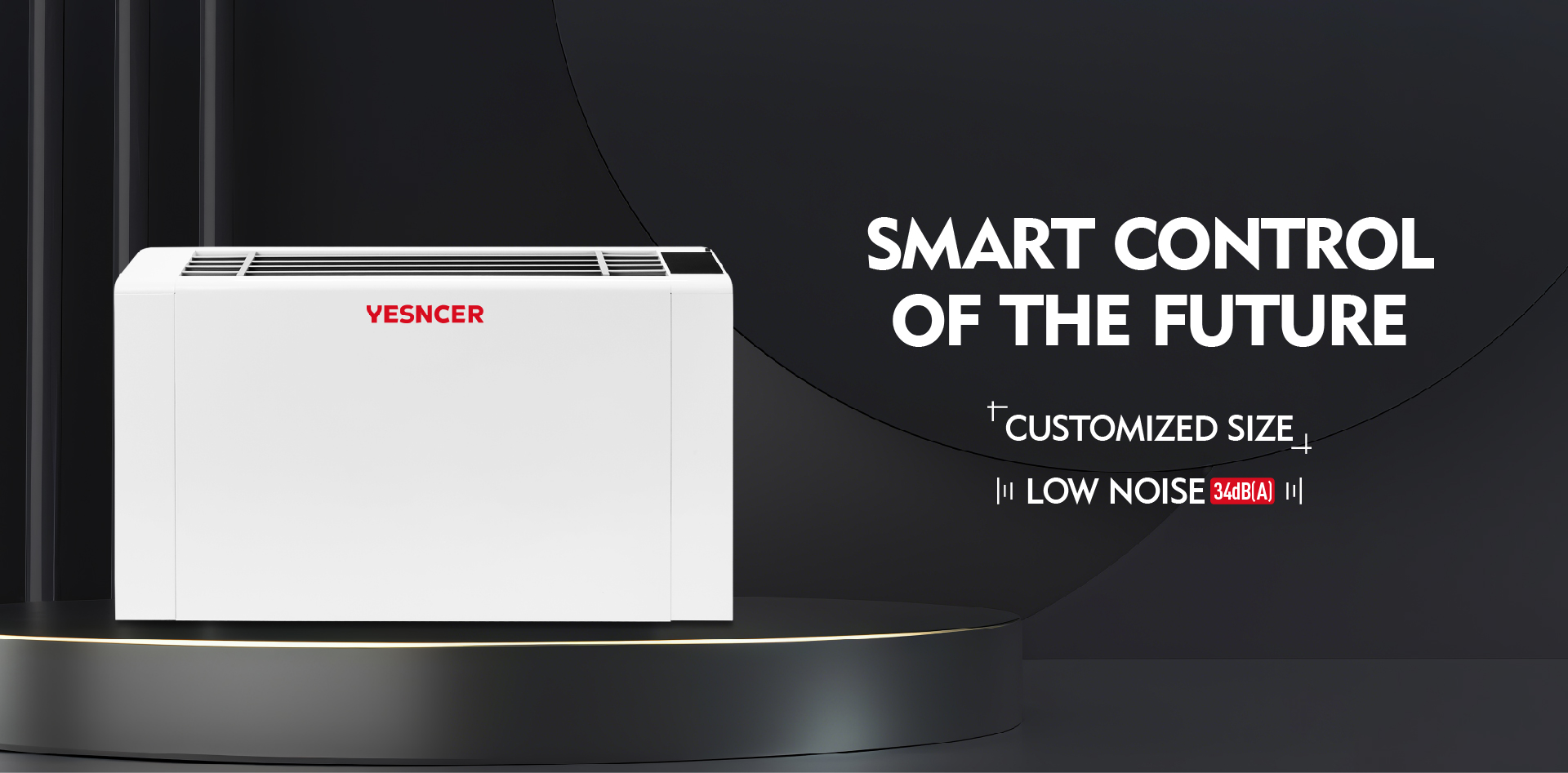
How to Choose a Water System Fan Coil Unit (FCU)

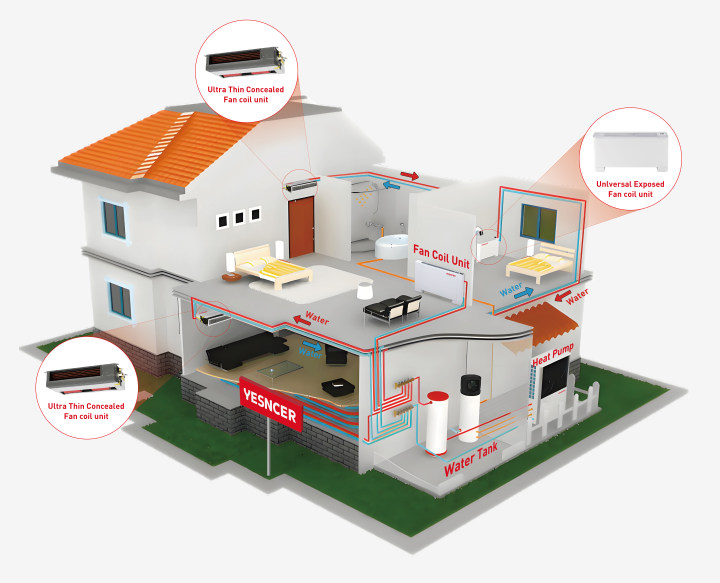
In modern HVAC systems, the Fan Coil Unit (FCU unit) is one of the most widely used terminal devices. By circulating chilled or hot water through coils and blowing air across them, the fan coil unit delivers efficient cooling and heating. From hotels and offices to hospitals and condos (fan coil unit condo), FCUs play a vital role in ensuring indoor comfort.
But with so many types of fan coil units on the market, how do you choose the right fan coil unit system? The decision is not only about comparing fcu price / fan coil unit price. It also requires evaluating energy efficiency, comfort, and long-term reliability.
1. What Is a Fan Coil Unit?
A fan coil unit (fcu fan coil unit) is a compact device that contains a coil and a fan. It transfers thermal energy from chilled or hot water to the air, making it a key element in fan coil units HVAC solutions.
Common Categories of Fan Coil Units:
-
Chilled Water Fan Coil Unit – Uses chilled water supplied by a central chiller system.
-
Hydronic Fan Coil Unit / Water Fan Coil Unit – Connected to a hydronic heating/cooling loop.
-
AC Fan Coil / Aircon Fan Coil (FCU Air Conditioning) – Works with air conditioning systems.
-
Ducted Fan Coil Unit – Delivers air through ducts to multiple rooms.
-
Vertical Fan Coil Unit & Horizontal Fan Coil Unit – Installed upright or hidden in ceilings.
-
Wall Mounted Fan Coil Unit – Compact, often used in residential or condo fan coil setups.
2. Types of Fan Coil Units
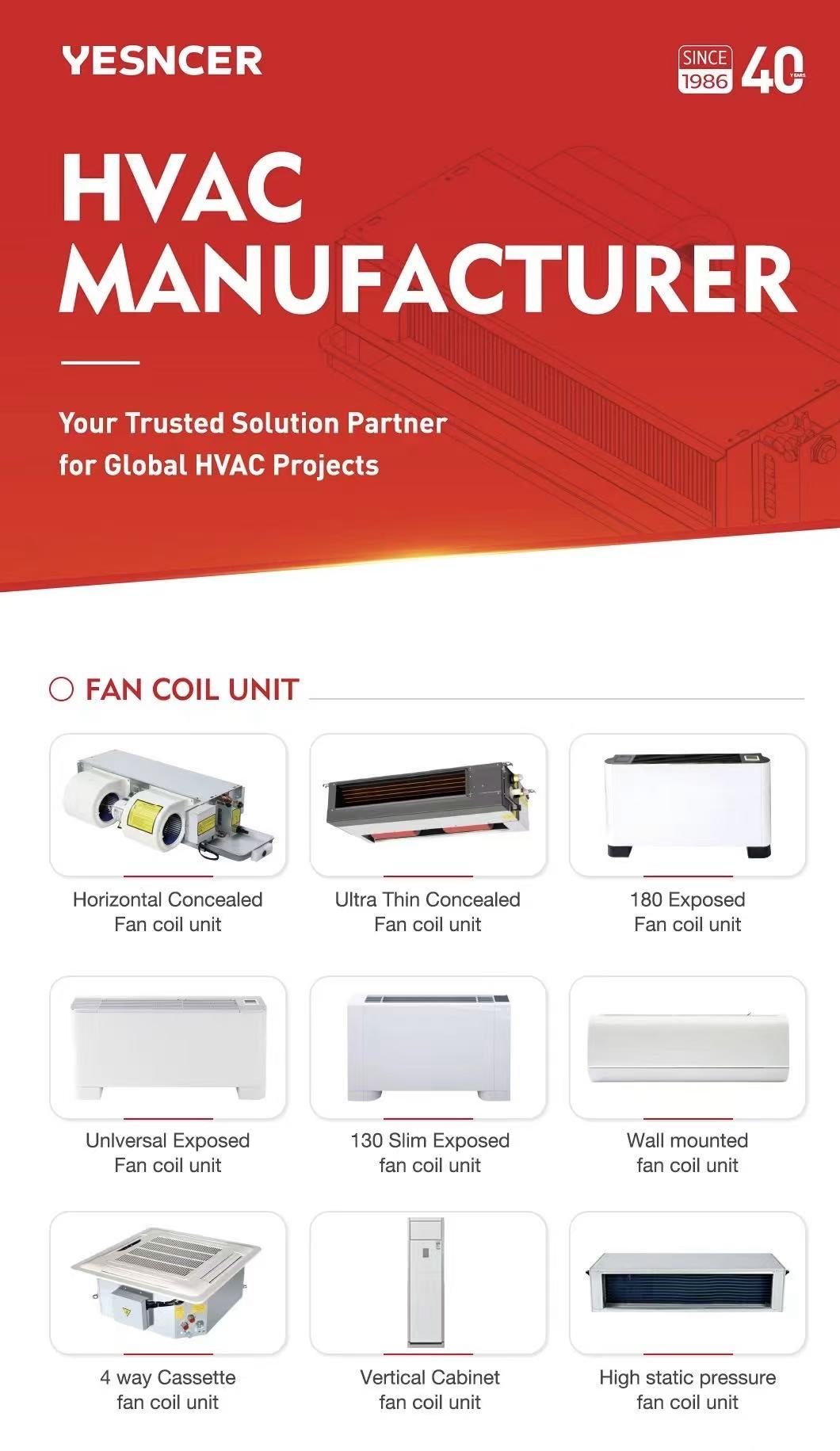
Here are the most popular fan coil unit types for HVAC projects:
-
Concealed Fan Coil – Installed above ceilings, invisible indoors. Ideal for condo fan coil applications.
-
Ceiling Fan Coil / Cassette Fan Coil – Ceiling-mounted with uniform airflow, common in offices and retail.
-
4 Pipe Fan Coil – With two chilled water and two hot water pipes, allows simultaneous heating and cooling.
-
Chilled Water Fan Coil – Works with chilled water systems in larger buildings.
-
Vertical / Horizontal Fan Coil Unit – Flexible installation depending on space.
-
Wall Mounted Fan Coil Unit – Similar to a split AC, good for small spaces.
3. Key Considerations – Beyond Floor Area
Selecting the right fan coil unit HVAC cannot be based only on room size. Real building conditions matter:
-
Insulation & Window Quality
Poor insulation or single-pane glass can increase heat loss by up to 30%. -
Window-to-Wall Ratio & Orientation
Large west-facing glass walls raise cooling demand by 20%–30%. East-facing windows add 10%–15%. -
Ceiling Height
For rooms above 3.5m, every extra meter adds ~18% heat load. Top floors under roofs face 25%–35% extra cooling demand.
? Therefore, whether selecting a chilled water fan coil unit, AC fan coil unit, or hydronic fan coil unit, always base heat load calculations on real conditions, not just square footage.
4. FCU Price / Fan Coil Unit Price Factors
The fan coil unit price varies depending on:
-
Type – e.g., chilled water fan coil vs. AC fan coil.
-
Configuration – 4 pipe fan coil costs more than 2-pipe models.
-
Brand & Origin – Different manufacturers offer varied fcu price ranges.
-
Installation Complexity – A concealed fan coil or ducted fan coil unit involves higher installation costs.
5. Conclusion
When choosing fan coil units HVAC, consider:
-
Building type (condo, hotel, office, hospital).
-
Thermal performance (insulation, window design, orientation, ceiling height).
-
System design (2-pipe vs. 4 pipe fan coil).
-
Installation style (wall mounted, ceiling cassette, concealed, vertical/horizontal).
-
Budget (compare fcu price / fan coil unit price carefully).
? The right fan coil unit in HVAC is not just about cost. It is about finding the fan coil unit system that matches your building’s load requirements, ensuring comfort, energy savings, and long-term performance.
The Future of Eco-Friendly Cooling: Water System Fan Coil Units
Related Article
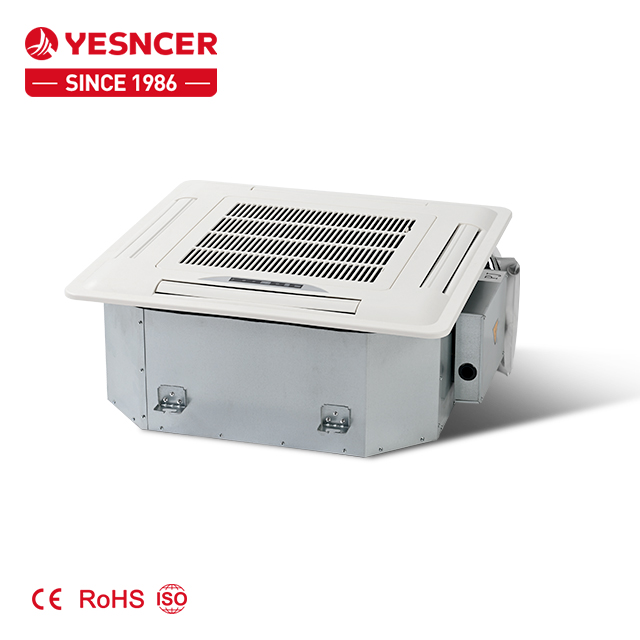
The YESNCER 4-Way Cassette Fan Coil Unit (Model: FP-34 ~ FP-238) is engineered for high-performance air conditioning — ideal for hotels, offices, hospitals, schools, and luxury residential buildings.