What to do if the fan coil unit is not cooling?
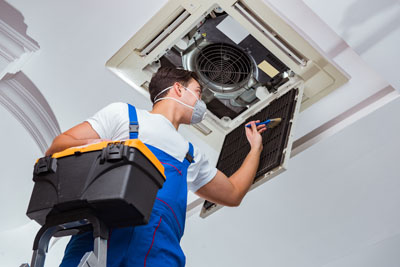
Summer is here, but your air conditioning isn’t keeping up? Many users experience similar issues when using fan coil unit (FCU) systems: poor cooling, ceiling leaks, and loud noise. These problems not only affect comfort but also lead to wasted energy and higher maintenance costs. This article analyzes the common causes of fan coil unit cooling failures and offers practical solutions to help you troubleshoot and restore system performance efficiently.
Causes of Poor Cooling Performance
The cooling performance of a fan coil unit depends mainly on airflow and heat exchange capacity. In many projects, selection is based solely on the "rated airflow" listed in product brochures. However, actual operating airflow is often lower than the nominal value, which results in insufficient cooling.
How to avoid this:
Select units based on actual operating conditions, not just rated values.
Consider the pressure loss from ducts, valves, and filters.
Keep the coil surfaces clean and regularly replace or clean the air filters.
Dust builds up quickly, especially in carpeted rooms or areas without filters. When dust sticks to the damp coil surface, it reduces heat exchange efficiency significantly.

Ceiling Leaks? These Could Be the Culprits
During summer cooling, fan coil units generate a large amount of condensate. Poor drainage or improper pipe design often causes leaks or ceiling damage.
Common causes include:
Inadequate slope or insufficient pipe supports in the condensate drain line
Incorrect pipe materials that cause surface condensation
Blocked drain lines that prevent condensate discharge
Recommended solutions:
Ensure a drain pipe slope of at least 0.008;
Use corrosion-resistant, anti-condensation materials such as ABS plastic or PVC-lined steel pipes;
Insulate all key components like condensate pipes, coils, and valves;
Install cleanout ports and regularly flush the system to prevent bacteria buildup and clogging.
Does Noise Affect Cooling Efficiency?
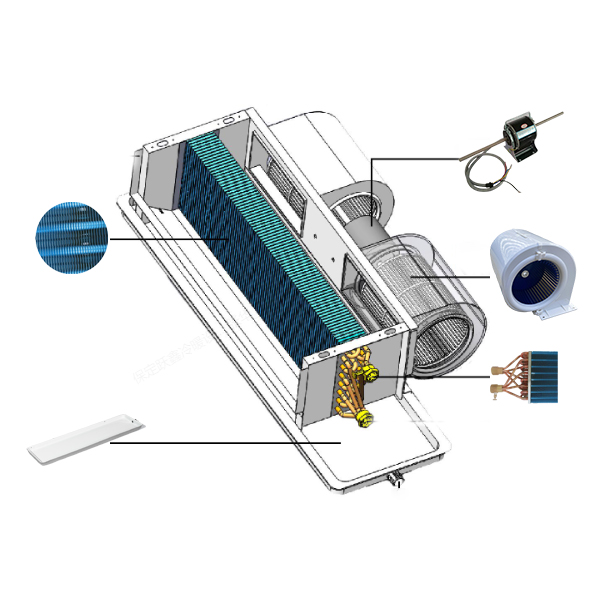
While noise doesn’t directly cause cooling failure, it often indicates issues with the fan, motor, or airflow system, which can indirectly affect cooling.
Common causes:
Worn or dry fan bearings;
Loose installation and vibrating bolts;
Oversized airflow selection, where low temperature difference leads to poor cooling.
Suggested measures:
Add lubrication and maintain fan components regularly;
Choose models that match the space’s cooling load and avoid high static pressure units that cause noise;
Install silencers or use rubber shock mounts to reduce vibration.
Installation and Usage Details Matter
Many cooling performance issues stem from mistakes during installation:
Air outlets are blocked or placed in non-active zones;
Air inlets and outlets are too close, causing short-circuit airflow;
Ducts are too long or use excessive flexible piping, increasing resistance.
Best practices:
Place outlets where people are active and away from obstacles;
Maintain proper spacing between air inlets and outlets to avoid short-circuiting;
Limit duct length and use rigid ducts where possible to ensure airflow.
FCU Regular Maintenance Is Essential
If not maintained, fan coil units can show significant cooling loss within 2–3 years of use. Establishing a maintenance plan can prevent many issues.

Suggested maintenance practices:
Inspect system performance every season and clean filters regularly;
Perform deep cleaning of the condensate system annually;
Use treated water to reduce pipe scaling.
Final Thoughts
The reliability of your fan coil unit system directly affects building comfort and energy efficiency. Through proper selection, correct installation, and ongoing maintenance, you can reduce repair costs and greatly improve user satisfaction. If your fan coil unit isn’t cooling, start checking from the aspects listed above.
✅ Why the YESNCER Slim Exposed Fan Coil Unit Is Ideal for Modern HVAC Projects
? Boost Your HVAC Projects with Our Ultra-Thin Concealed FCU
Related Article
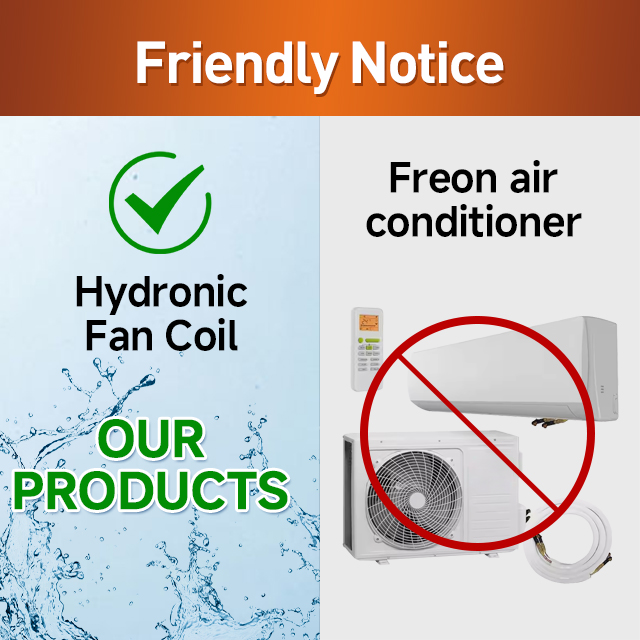
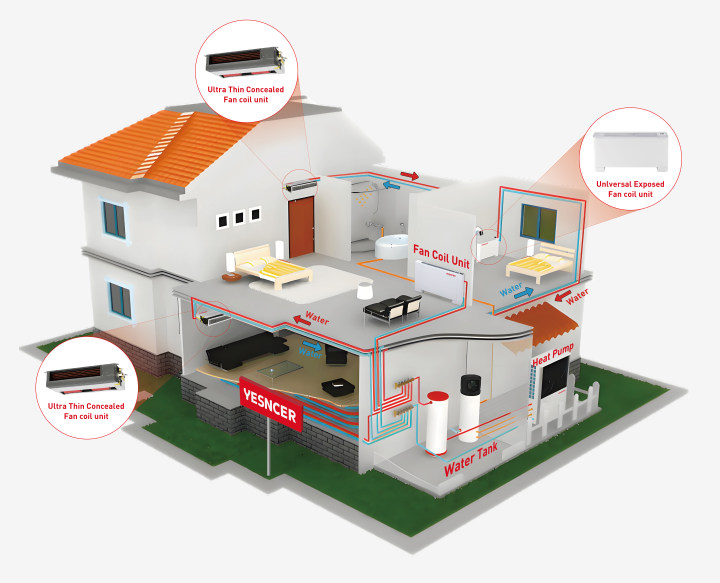
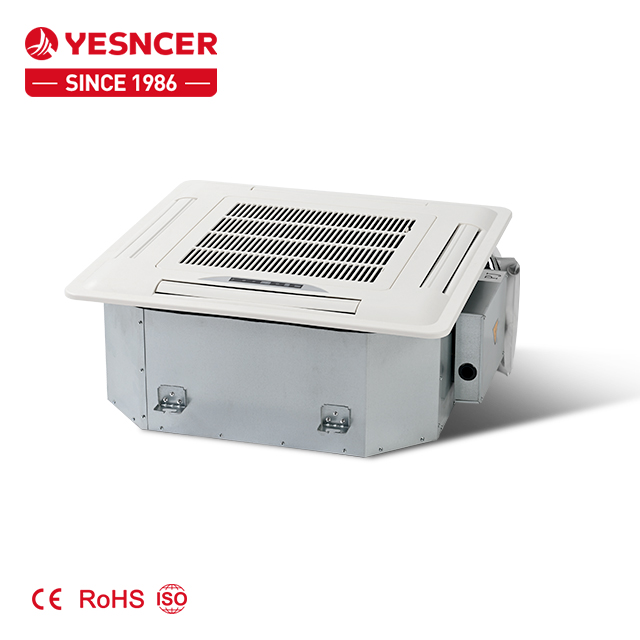
The YESNCER 4-Way Cassette Fan Coil Unit (Model: FP-34 ~ FP-238) is engineered for high-performance air conditioning — ideal for hotels, offices, hospitals, schools, and luxury residential buildings.