Choosing the Right Cooling and Heating Equipment
Selecting efficient cooling and heating equipment is critical in modern settings. With rising energy needs, careful selection saves costs and reduces waste. This article reviews popular options—water-source, air-source, ground-source heat pumps, and air-source water heaters. Backed by data, it helps you make the best choice for any setting.
Water-Source Heat Pump: High Efficiency and Stability
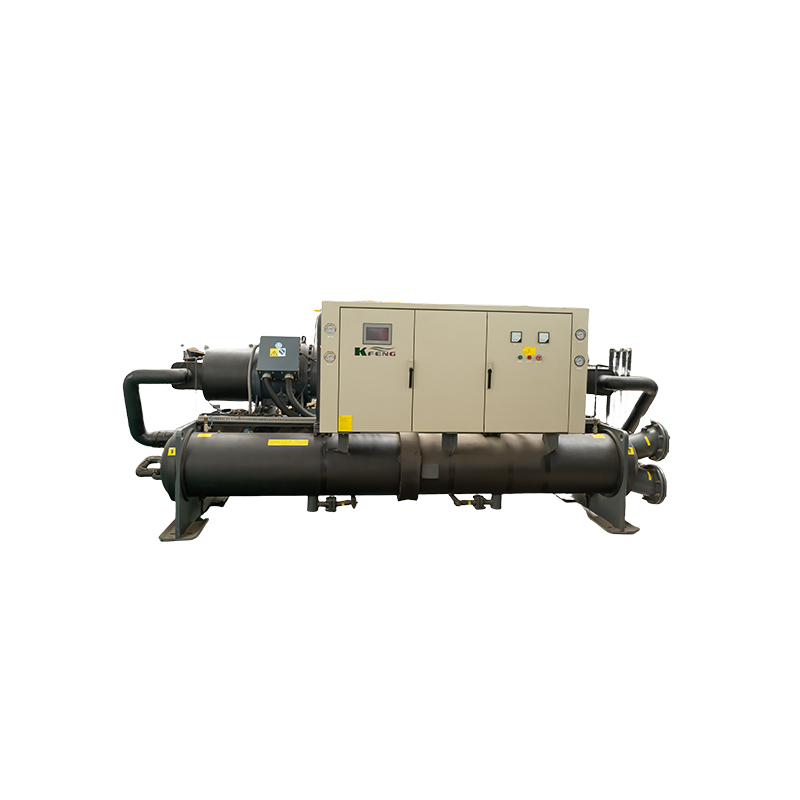
Water-source heat pumps use water as a heating and cooling source. This type of system offers highly efficient and eco-friendly benefits in many applications:
- Renewable Energy Utilization: First, these systems tap energy stored in rivers or reservoirs. Water bodies naturally balance temperature, storing 47% of solar energy. This equals about 500 times the energy humans use annually.
- Easy Metering and Billing: Additionally, energy load is measurable at each site, making usage monitoring and cost-sharing easy.
- Year-Round Stability: In contrast to air, water temperatures vary less across seasons. For example, winter water temperatures range from 54–72°F, while summer ranges from 64–95°F. This stability helps avoid the winter defrosting issues found in air-source pumps.
- High Efficiency: Finally, water-source heat pumps cut energy costs. Cooler water lowers condenser temperatures in summer, while warmer water boosts evaporation levels in winter, optimizing energy use.
While highly efficient, water-source heat pumps also have limitations. They need consistent water sources, and installation costs are high. Therefore, they’re best for large buildings with water access.
Air-Source Heat Pump: Practical for Smaller Spaces
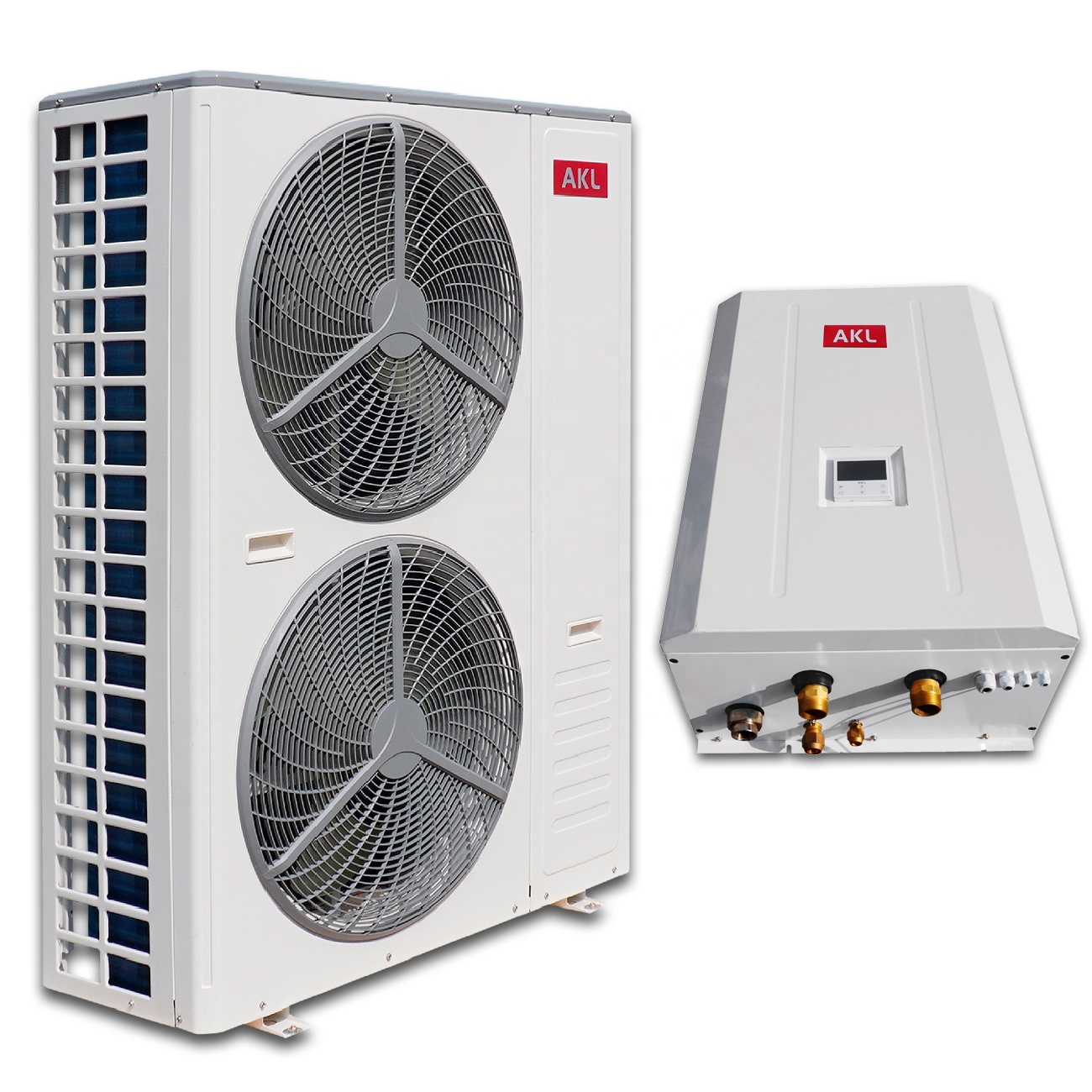
Air-source heat pumps, on the other hand, use outdoor air to heat and cool, making them affordable and flexible for small spaces. Here are some key data points and advantages:
- Compact Design: Air-source heat pumps combine heating and cooling in one unit, eliminating the need for an extra heat source. They can be installed on rooftops or outside, saving valuable indoor space.
- Temperature-Dependent Performance: However, because air-source heat pumps rely on outdoor temperatures, their efficiency varies. High summer temperatures can reduce cooling power, while cold winters can cut heating capacity. Additionally, defrosting disrupts heating performance in colder months.
- Higher Operating Costs: Their nominal COP is under 3.2, and actual COP is about 2.5, making long-term costs higher. Outdoor condensers also need regular cleaning for efficiency, typically every three years.
Overall, air-source heat pumps work well in small projects or buildings with limited budgets. However, users should plan for high maintenance costs over time.
Ground-Source Heat Pump: Efficient Deep Heating and Cooling
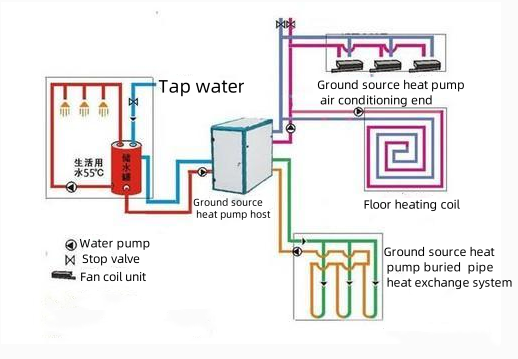
Unlike air-source systems, ground-source heat pumps use underground temperatures for steady heating and cooling. Known for their efficiency and low environmental impact, they offer several unique benefits:
- Higher Efficiency: Ground-source systems are approximately 40% more efficient than air-source pumps. In winter, soil temperatures are warmer, and in summer, they’re cooler. As a result, ground-source systems save about 40% in energy costs.
- No Defrost Needed: Another advantage is that ground-source pumps don’t require defrosting, which reduces wear on equipment and saves energy.
- Energy Storage Advantage: Soil and groundwater retain energy well, which stabilizes system efficiency year-round.
Ground-source pumps are best suited for high-demand buildings, especially in climates with large seasonal temperature changes. These systems are ideal for projects with larger budgets.
Air-Source Water Heater: Efficient, All-Weather Heating
Air-source water heaters, often called “fourth-generation water heaters,” combine the best features of electric and solar water heaters. They offer exceptional year-round reliability and efficiency:
- High Efficiency: With a COP of 300-400%, air-source water heaters operate at about one-quarter the cost of electric water heaters. They’re also effective across a wide temperature range, from 14°F to 109°F.
- Versatile Installation: These units install easily on rooftops, outdoor spaces, or indoors, providing flexibility in various designs.
- Environmentally Friendly: Using environmentally safe refrigerants, air-source water heaters produce no harmful emissions, aligning with green building standards.
Though highly efficient, air-source water heaters can see lower efficiency in extreme cold. However, defrost features help ensure continuous operation in cold weather. Overall, they’re a top choice for high hot-water demand, such as in hotels, schools, and residential buildings.
Choosing the Right System for Your Needs
Considering the unique strengths and weaknesses of each system, here’s a quick guide for common applications:
- Water-Source Heat Pumps: These are ideal for large commercial buildings with stable water access, where year-round heating and cooling are essential.
- Air-Source Heat Pumps: These are great for small buildings and tight spaces, especially where installation costs need to stay low. However, you should plan for high long-term operational and maintenance costs.
- Ground-Source Heat Pumps: These systems are best for large buildings in areas with significant seasonal temperature shifts and are a sound investment for higher-budget projects.
- Air-Source Water Heaters: These work well for hot water needs in places like hotels, schools, and residential buildings. Their low operating costs and year-round availability make them both efficient and eco-friendly.
FAQ
1. What’s the main difference between water-source and air-source heat pumps?
Water-source heat pumps draw from stable water temperatures, ensuring higher efficiency and reliability year-round. Air-source heat pumps depend on air temperatures, making their performance less predictable, especially in extreme weather.
2. Where are ground-source heat pumps most effective?
Ground-source heat pumps work well in areas with high seasonal temperature differences and are ideal for buildings with high energy needs, like large commercial facilities.
3. Can air-source water heaters handle extremely cold weather?
Yes, air-source water heaters include defrosting features to handle cold weather, ensuring steady performance even at low temperatures.
Clear the Air: Essential HVAC Tips for Smokers
Full liquid evaporator vs. dry-type Evaporators
Related Article
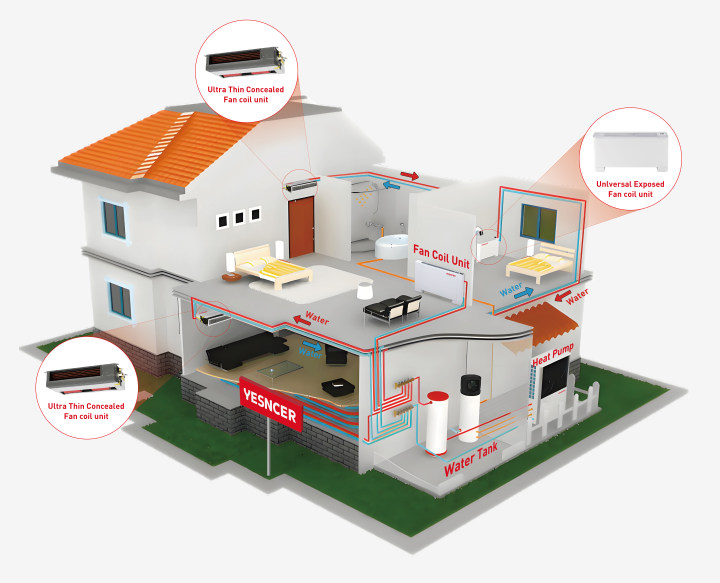
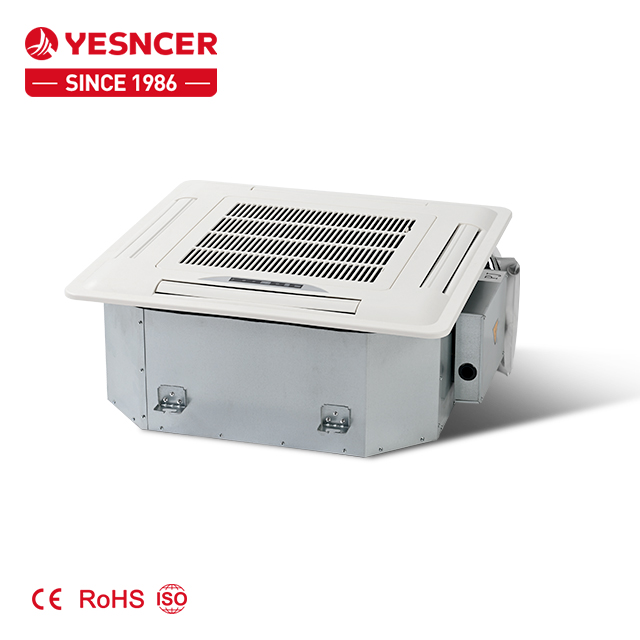
The YESNCER 4-Way Cassette Fan Coil Unit (Model: FP-34 ~ FP-238) is engineered for high-performance air conditioning — ideal for hotels, offices, hospitals, schools, and luxury residential buildings.