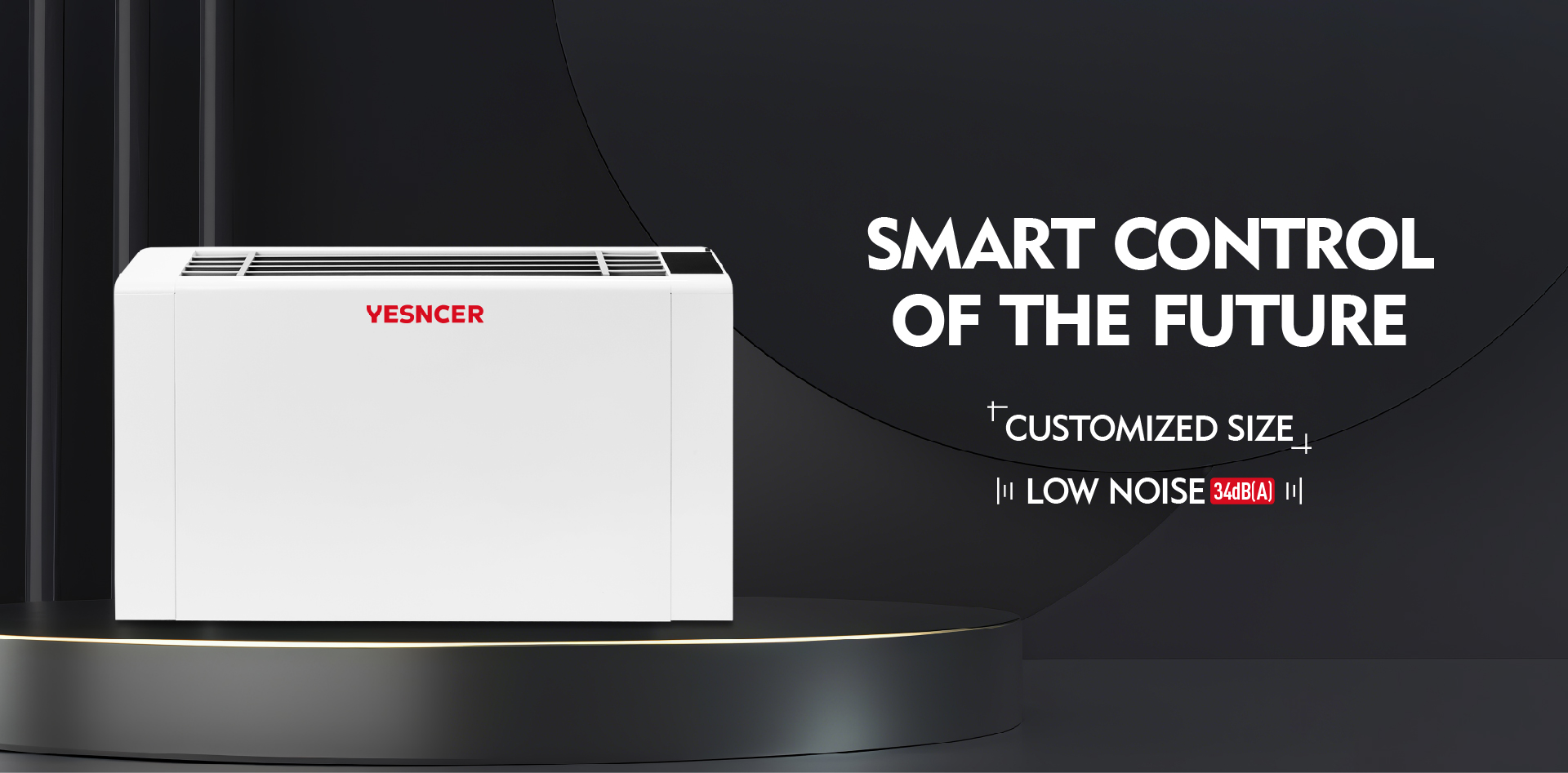
Comparing Fan Coil Units and Fluorine-Based Air Conditioning Systems
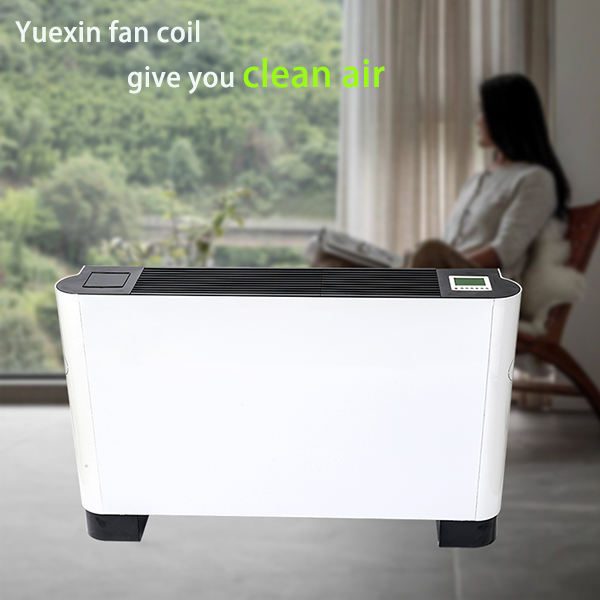
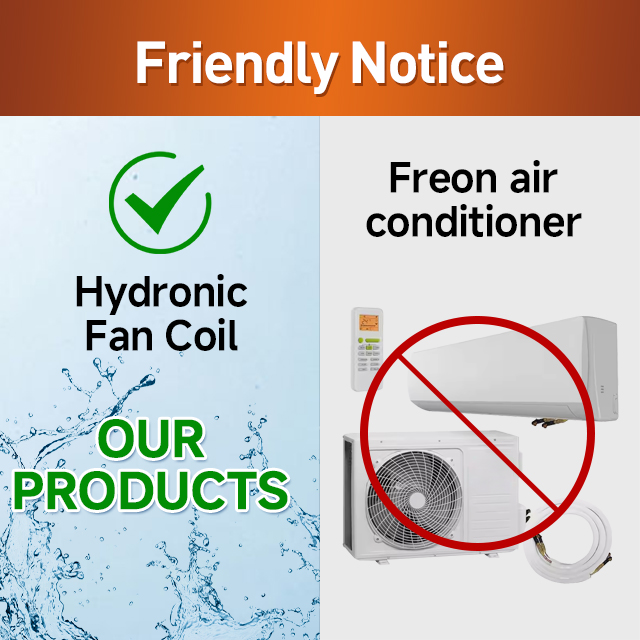
When choosing a cooling and heating system, it's crucial to understand the differences between fan coil units and fluorine-based air conditioning systems. Both systems offer effective climate control, but they operate on fundamentally different principles. Understanding their differences can help users make informed decisions based on health, energy efficiency, and environmental impact.
Fan Coil Units: Efficient and Sustainable
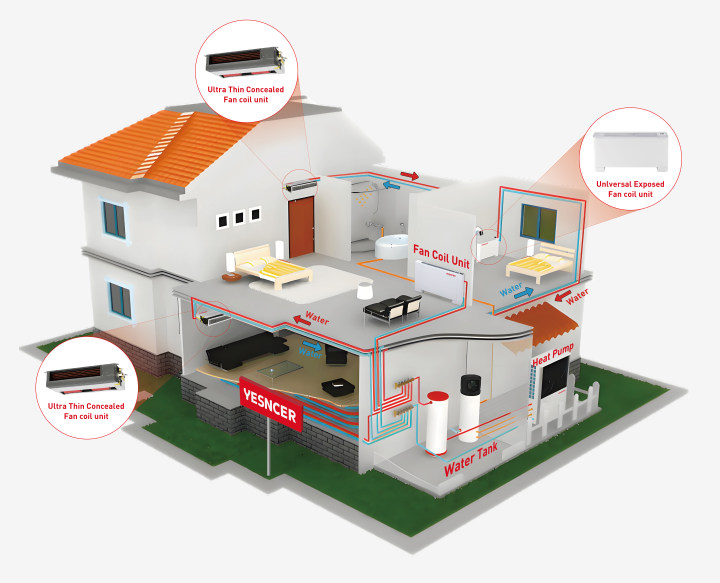
Fan coil units work by circulating water or air through a system of coils to provide heating or cooling. These units are often paired with central HVAC systems, offering precise temperature control and compatibility with renewable energy sources. One of the major advantages of a fan coil unit for residential use is its minimal impact on indoor air quality. Since fan coil units for sustainable buildings rely on water instead of refrigerants like fluorine, they produce fewer pollutants, making them an environmentally friendly option.
Moreover, fan coil units for commercial buildings are known for their energy efficiency. Their ability to maintain performance during extreme weather conditions makes them a reliable option year-round. In terms of health benefits, fan coil units don't release chemicals into the air, ensuring a cleaner, safer indoor environment.
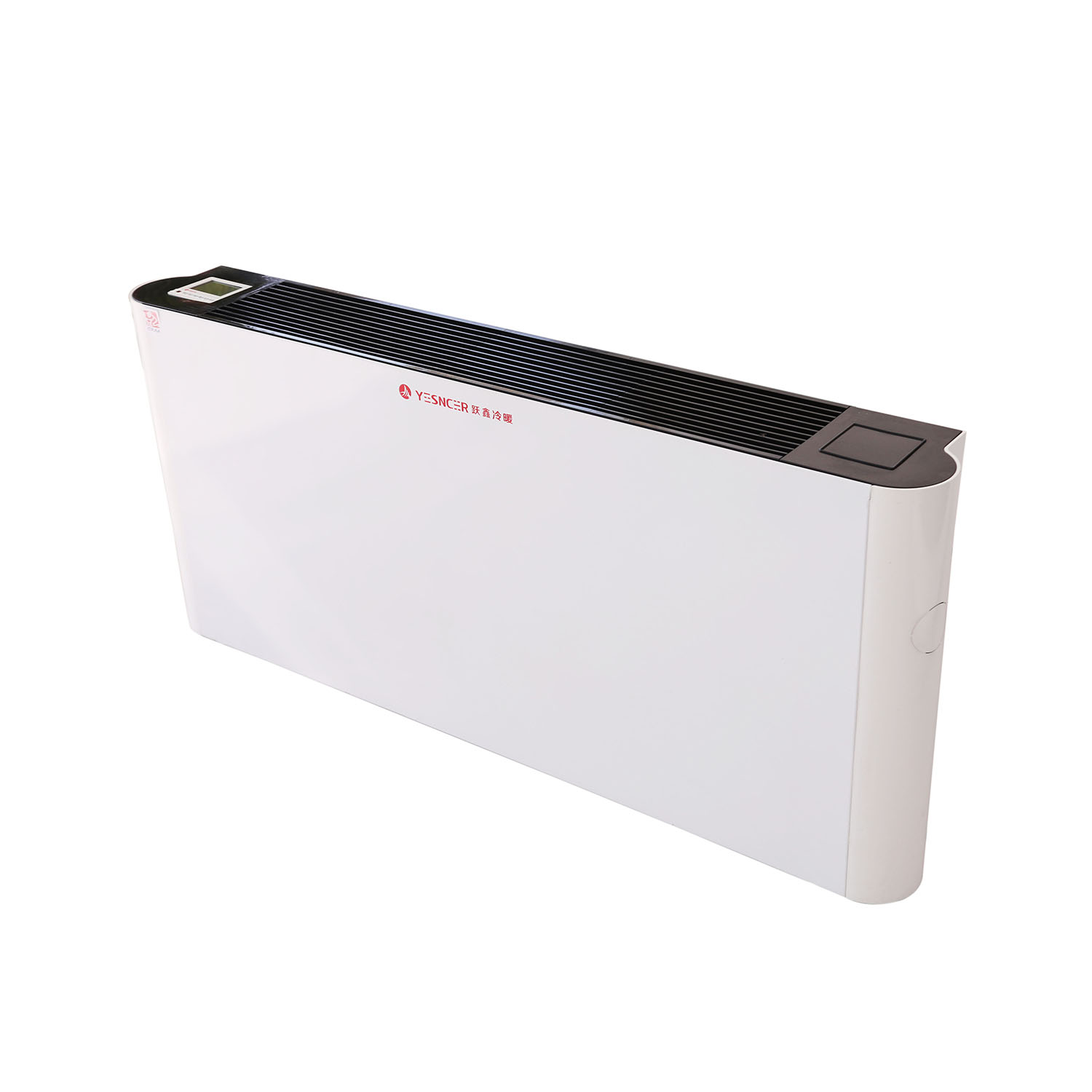
180mm Ultra-thin fan coil
Fluorine-Based Air Conditioning: Quick but Risky
Fluorine-based systems use refrigerants like Freon (R-22 or R-410A) to cool or heat air directly. While these systems offer rapid temperature control and can be efficient in moderate climates, they come with certain risks. If refrigerant leaks occur, the chemicals released can be harmful to both the environment and human health. Long-term exposure to leaked refrigerants has been linked to respiratory issues and environmental damage.
In addition, fluorine-based systems often require more maintenance. Leaks, compressor issues, and refrigerant replacement can drive up costs over time. While these systems are efficient in mild conditions, they may struggle in extreme heat or cold, especially in very low temperatures where their efficiency can drop significantly.
Health and Environmental Considerations
One of the major concerns for users is the potential health impact of refrigerants in fluorine-based air conditioning systems. In contrast, fan coil units excel in this area, providing healthier indoor environments by eliminating the risk of chemical exposure. This makes fan coil units for energy-efficient homes a preferred choice for families and businesses focused on health and sustainability.
From an environmental perspective, fan coil units contribute far less to air pollution, as they don't rely on harmful refrigerants. This is a significant advantage in the push toward greener, more sustainable building solutions.
Conclusion
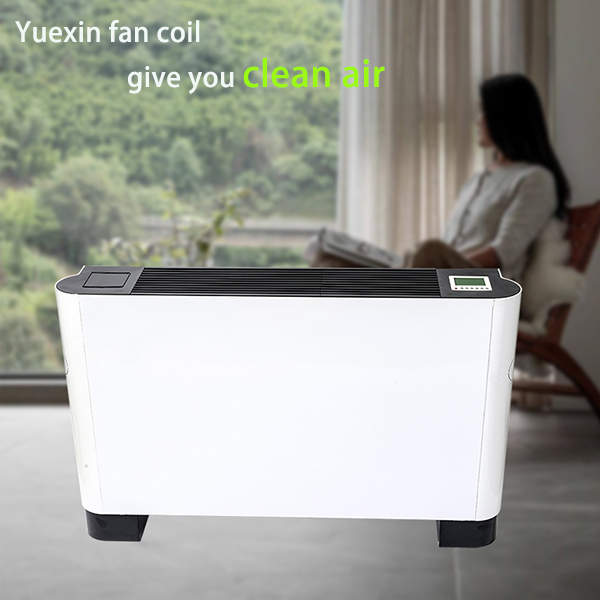
When weighing the options between a fan coil unit and a fluorine-based air conditioning system, the choice comes down to long-term health, environmental impact, and energy efficiency. Fan coil units offer clear advantages in all these areas, making them the better choice for both residential and commercial applications. They ensure cleaner air, lower maintenance costs, and stable performance, even in extreme weather.
How to Prevent Fan Coil Units from Freezing in Winter
Understanding Fan Coil Units: How They Benefit You
Related Article
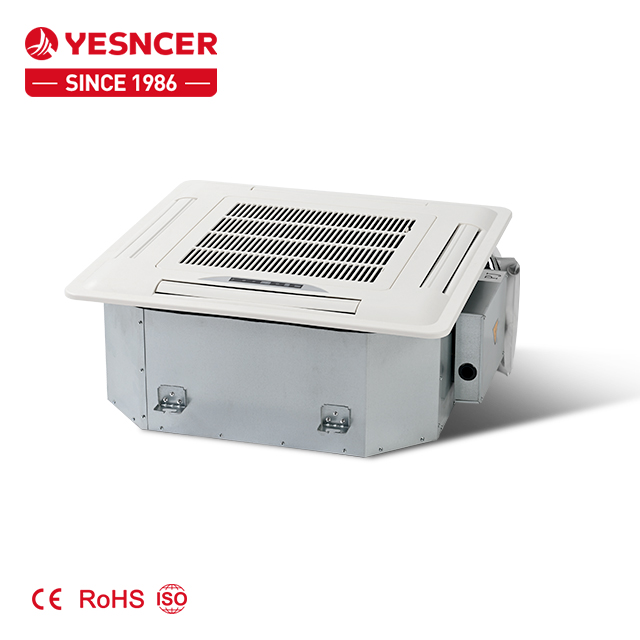
The YESNCER 4-Way Cassette Fan Coil Unit (Model: FP-34 ~ FP-238) is engineered for high-performance air conditioning — ideal for hotels, offices, hospitals, schools, and luxury residential buildings.