
Low-Temperature Air Source Heat Pump for Sustainable Heating
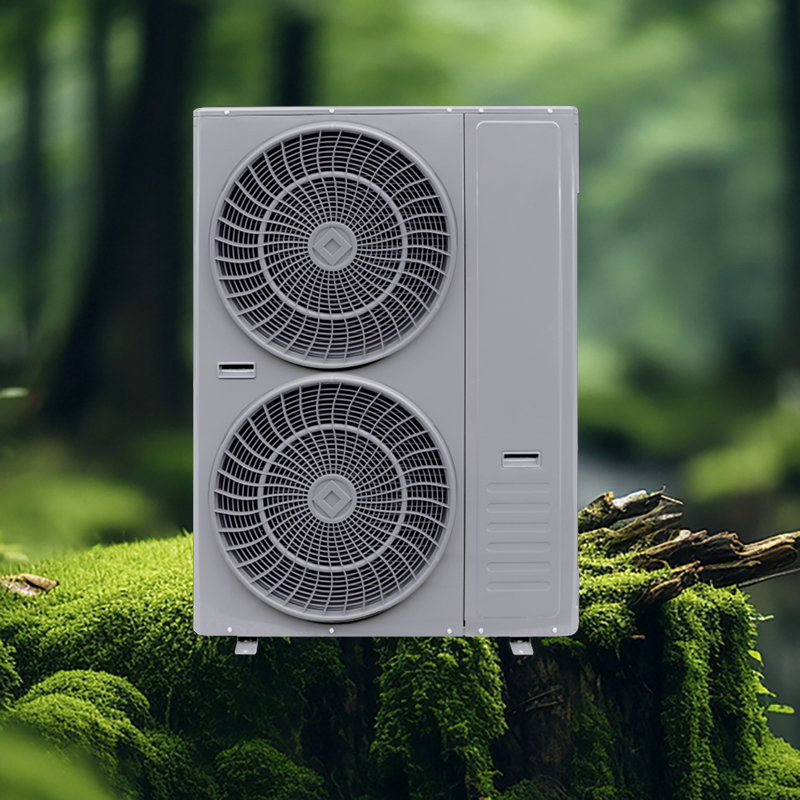
Air source heat pumps excel in heating and cooling. They offer high efficiency and save energy effectively. Cold climates often limit their performance. Low temperatures reduce efficiency and fail to meet user needs. High compressor pressure reduces efficiency and causes failures. Researchers have developed low-temperature solutions to fix this issue. These solutions analyze core principles and evaluate results. Experts compare different technologies to find the best option.
Working principle
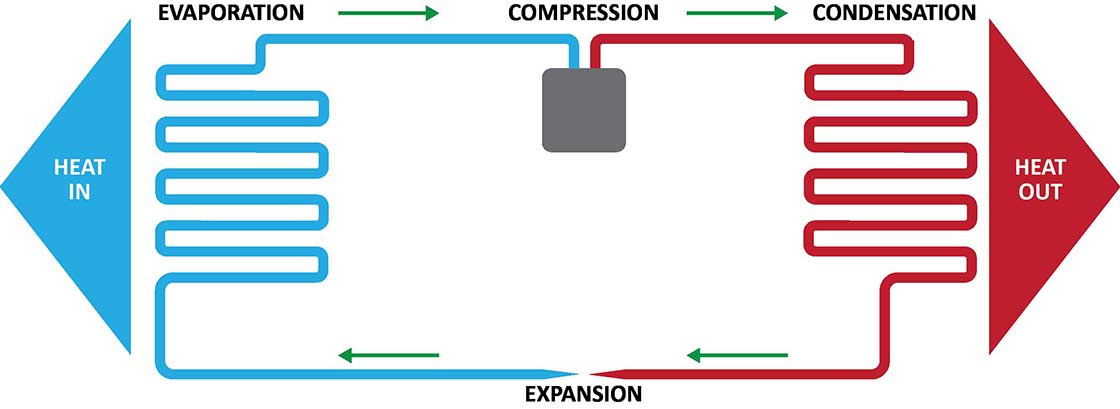
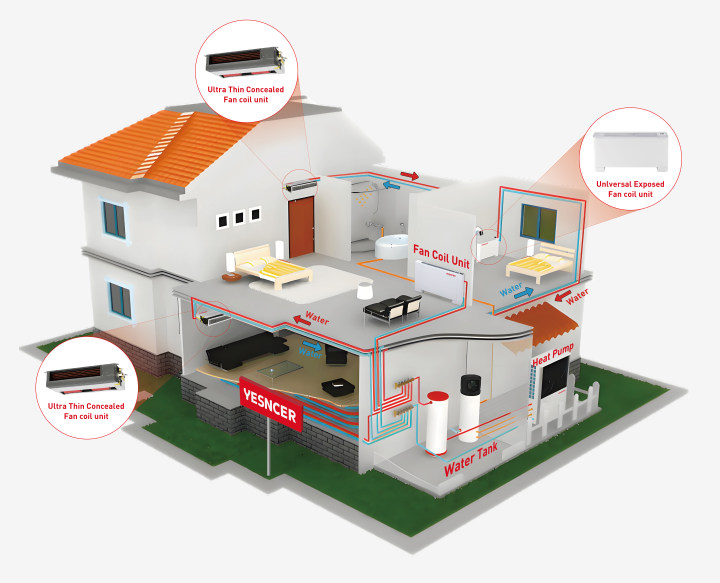
The low-temperature air source heat pump uses the reverse Carnot cycle. Its core components include an evaporator, condenser, compressor, and expansion valve. The system contains a specific amount of working fluid.
The evaporator absorbs heat from the air, evaporating the working fluid into gas. The gaseous fluid enters the compressor, which compresses it into high-temperature gas. The condenser then liquefies the gas, transferring heat to water for heating. The expansion valve reduces the fluid's pressure before it re-enters the evaporator. This cycle repeats, absorbing heat and providing a stable heat source.
Current status and development
The operating stability and efficiency of low-temperature air source heat pumps in extremely cold environments are the focus of the industry. The following are the two current technical directions and their characteristics:
Two stage low temperature heat pump
The single-stage heat pump operates stably at -30℃ and a condensing temperature of 60℃. It uses a compressor designed for low-temperature refrigeration. This compressor mainly uses R507 and R404 as working fluids. It maintains stability at high compression ratios without overheating. However, its COP is lower than other low-temperature systems. The compressor performs poorly at higher outdoor temperatures. Rising outdoor temperatures increase system heating capacity but reduce indoor heating loads. Shorter operation times lower system efficiency. Integrating frequency conversion, parallel compressors, or heat storage can improve performance. These upgrades, however, raise costs and reduce its low-cost advantage.
Acquisition frequency conversion technology
The frequency conversion heat pump boosts heating capacity in low-temperature environments. It uses frequency conversion technology for reliability. However, this approach reduces system economy. The system COP drops significantly during operation. Increased noise and oil return issues arise with high-frequency operation. Electromagnetic compatibility issues also create challenges. The high price of frequency converters further hinders adoption.
Six major features
Safety
The air source heat pump avoids direct electric heating, removing leakage risks. It eliminates gas leakage or carbon monoxide risks found in gas heaters. Its design ensures higher safety performance.
Comfort
The heat pump uses a heat storage design to meet heating demands. It starts automatically based on tank temperature or load. It supplies hot water and heating continuously for 24 hours. Multiple-point water use remains unaffected with stable temperatures. Users can access hot water immediately without waiting.
Economical
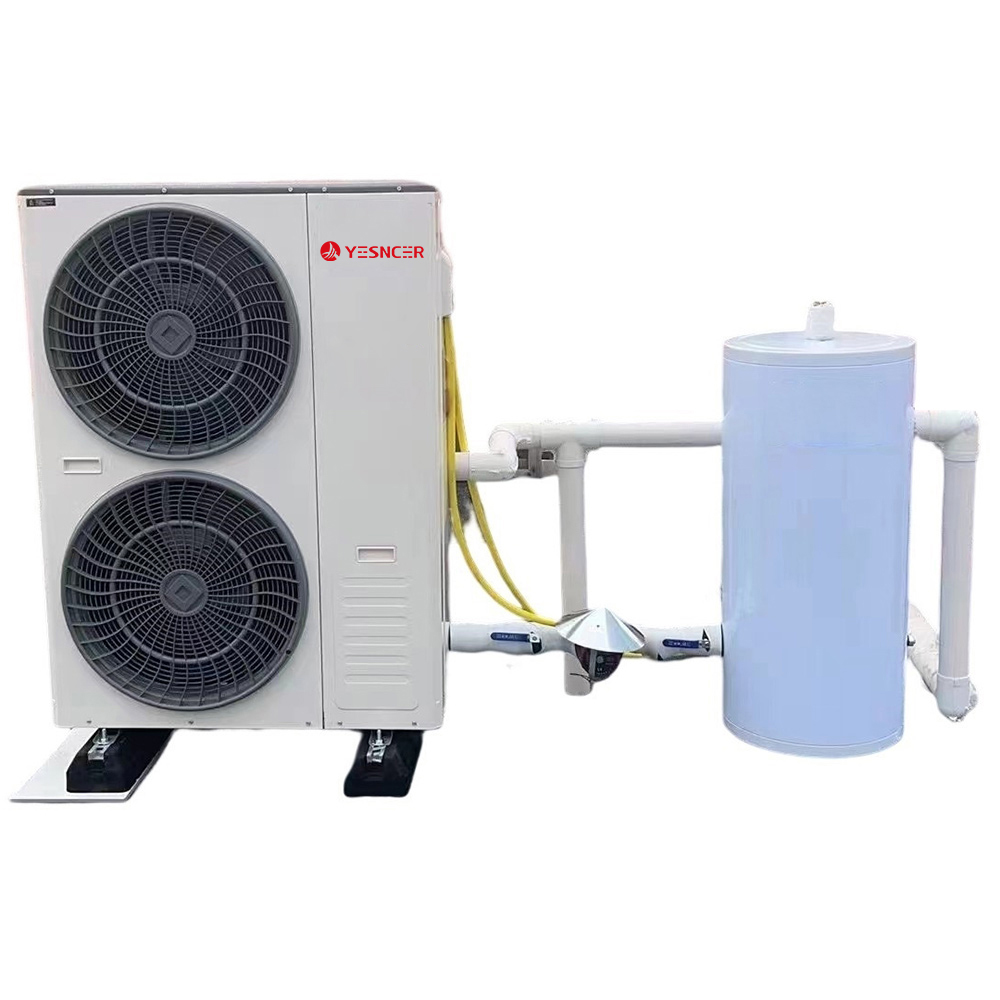
The power consumption of heat pumps is only 1/4 of that of electric heating equipment. For example, if a family of four uses 200L (about 52.8 gallons) of hot water per day, the daily electricity cost of an air source heat pump is about $0.14 (calculated at $0.07/kWh), while a traditional electric water heater costs about $0.56. Based on 365 days a year, using a heat pump can save about $153 in electricity bills a year.
Green and environmentally friendly
Air source heat pumps heat by transferring air heat, without exhaust gas emissions. Compared with gas water heaters, they are more environmentally friendly and are an ideal choice for low-carbon living.
Low-carbon energy saving
Heat pumps are 4 times more efficient than traditional electric heating, which can significantly reduce electricity consumption. Reducing electricity demand means indirectly reducing carbon emissions from thermal power plants and contributing to environmental protection.
High efficiency and energy saving
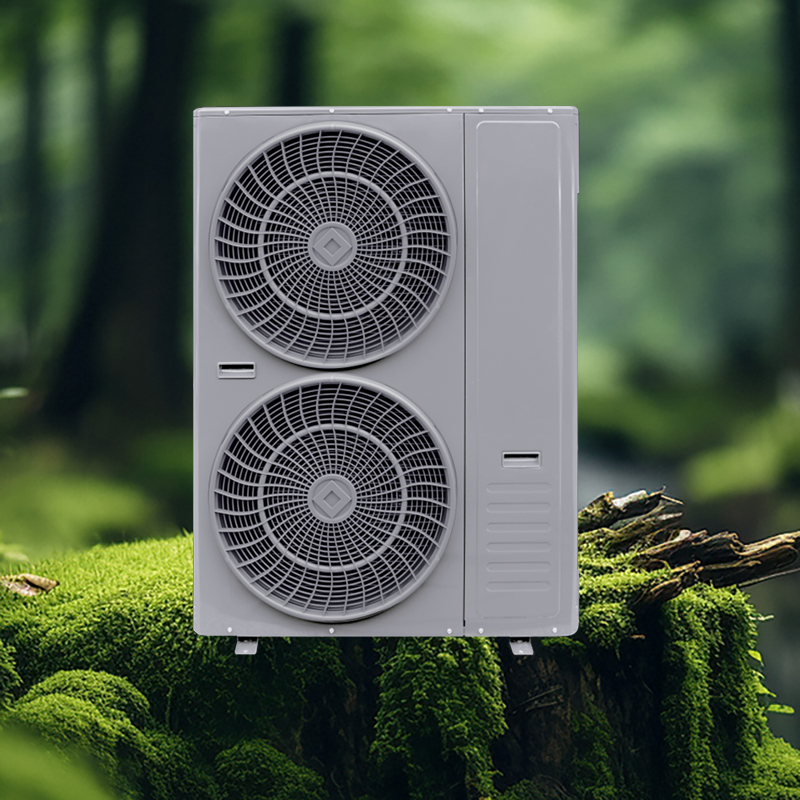
Heat pumps use the reverse Carnot cycle to efficiently transfer energy from low-temperature air to water, achieving maximum heat output with minimal energy consumption. They are advanced technologies for energy-saving heating and heat supply.
Fan coil unit principle, wiring control and common faults
How does Ground source heat pump change the heating and cooling industry?
Related Article
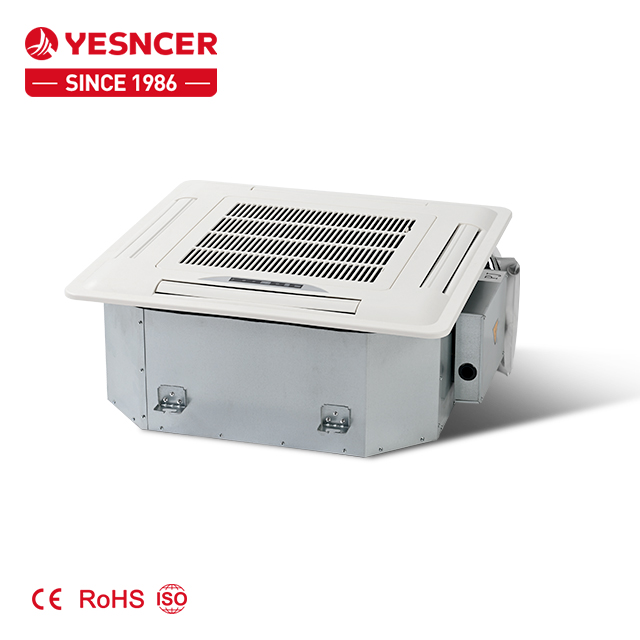
The YESNCER 4-Way Cassette Fan Coil Unit (Model: FP-34 ~ FP-238) is engineered for high-performance air conditioning — ideal for hotels, offices, hospitals, schools, and luxury residential buildings.