2024 HVAC Industry Environmental Regulations
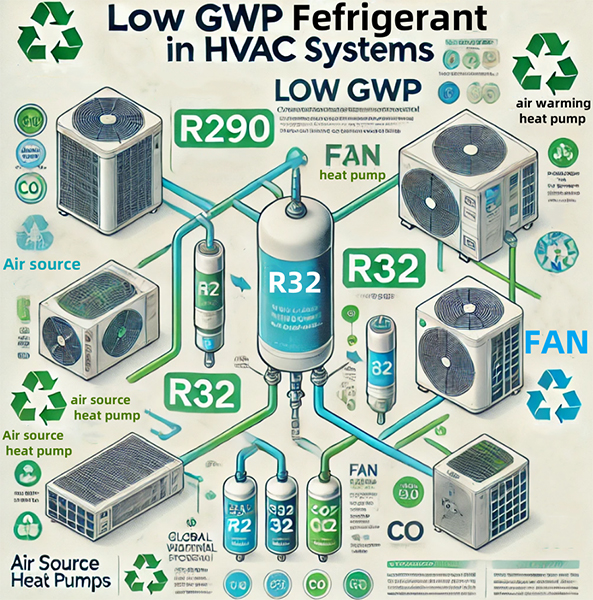
Environmental awareness is reshaping the HVAC industry in 2024. Stricter regulations are pushing companies to adopt greener technologies. These policies present both challenges and opportunities for manufacturers. As a result, this article explores key regulations and their impact on the HVAC sector.
Understanding the Key Regulations
1. The EU’s F-Gas Regulation
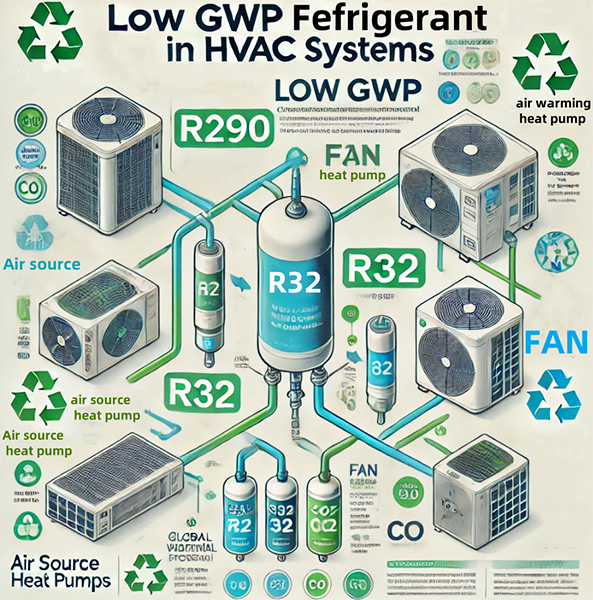
The F-Gas Regulation aims to phase out high-GWP refrigerants by 2030. In 2024, stricter limits on production and usage will apply. Consequently, manufacturers must adopt alternatives like R290 air source heat pumps. Additionally, the policy includes financial incentives for low-GWP technologies.
2. The U.S. SEER2 Efficiency Standards
The SEER2 standard, effective in 2024, demands higher HVAC energy efficiency. It impacts cooling and heating systems across residential and commercial sectors. Therefore, manufacturers must now produce more energy-efficient systems. This includes systems using low-GWP refrigerants in HVAC systems.
3. China’s Enhanced Efficiency Standards
China’s new efficiency standards raise the bar for HVAC equipment performance. These policies align with international energy-saving goals. As a result, they encourage companies to improve efficiency and reduce emissions.
Driving Forces Behind the Regulations
1. Carbon Neutrality Goals
Countries worldwide aim for carbon neutrality by 2050. HVAC systems, which consume significant energy, are under scrutiny. Thus, regulations target inefficient systems to reduce greenhouse gas emissions.
2. Consumer Demand for Greener Products
Consumers prefer energy-efficient and environmentally friendly systems. Consequently, regulations help guide the market toward meeting these preferences.
3. Innovation and Cost Optimization
Regulations encourage technological advancements. As a result, innovations lower manufacturing costs while improving product efficiency.
Impacts of the Regulations on the Industry
1. Accelerated Technological Advancements
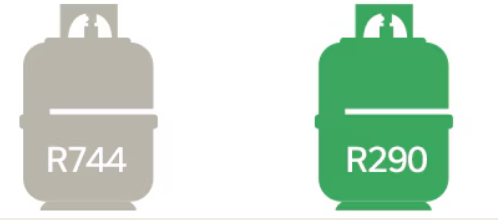
Manufacturers are adopting cutting-edge solutions. For instance, R290 air source heat pumps and R744 refrigerants are now key focus areas. Moreover, smart systems optimize HVAC operations, further improving energy use.
2. Changing Market Dynamics
Higher efficiency standards boost demand for advanced HVAC systems. As a result, companies not adapting to these standards risk losing market share. Meanwhile, firms leading in compliance gain a competitive edge.
3. Short-Term Cost Pressures
Upgrading production lines to meet standards increases short-term costs. However, long-term savings from efficient systems outweigh initial expenses.
How Manufacturers Should Adapt
1. Focus on Green Innovation
Manufacturers need to develop products compatible with low-GWP refrigerants in HVAC systems. Furthermore, enhancing efficiency aligns products with international requirements.
2. Tap into Regional Opportunities
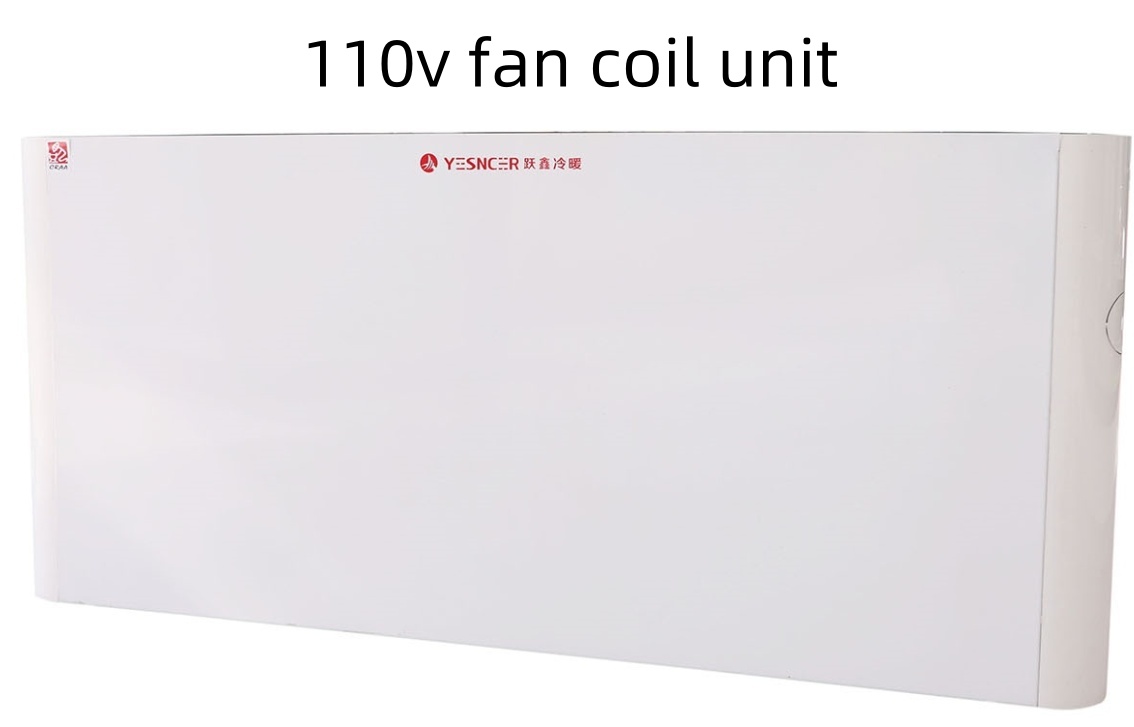
Customization is essential to meet local regulations. For example, 110V fan coil units suit North America, while low-temperature heat pumps meet demands in colder climates.
3. Educate Customers
It is equally important to educate customers about the benefits of eco-friendly HVAC systems. Specifically, highlighting lower operating costs and environmental advantages can drive interest.
Future Trends in the HVAC Industry
1. Natural Refrigerants on the Rise
Refrigerants like R290 and R744 will dominate the market. Their low environmental impact makes them ideal for future HVAC systems. Consequently, their adoption is expected to grow rapidly.
2. Smart Technologies Transform Operations
AI and IoT integration enhance efficiency and predict maintenance needs. As a result, these technologies minimize waste and maximize comfort.
3. Global Collaboration
International efforts to align environmental standards will continue. Consequently, companies meeting stricter rules gain access to broader markets.
Conclusion
Environmental regulations are reshaping the HVAC industry. Manufacturers face challenges but also vast opportunities. Thus, green innovation, smart technologies, and market adaptation are crucial. Companies embracing change will lead the charge toward a sustainable future.
Call to Action:
Explore our energy-efficient HVAC systems designed for the future. Visit our website for details or reach out to our team for inquiries.
Are Fan Coil Units Suitable for Old Home Renovations?
How to Choose the Right Fan Coil Unit in Kazakhstan
Related Article
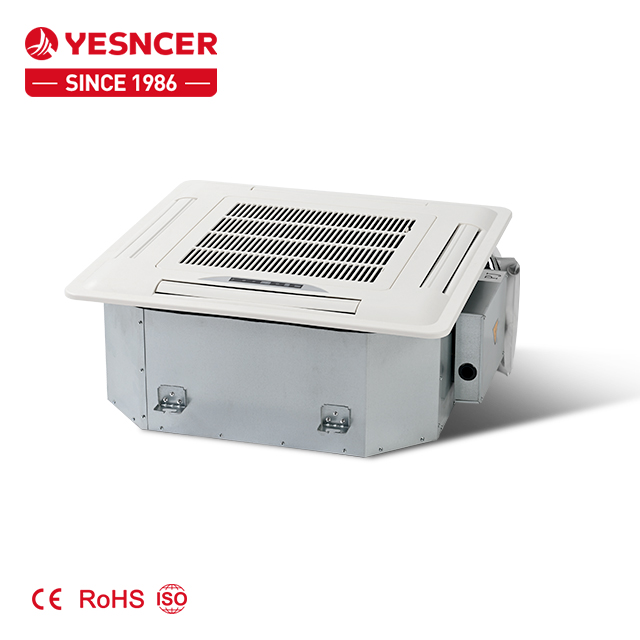
The YESNCER 4-Way Cassette Fan Coil Unit (Model: FP-34 ~ FP-238) is engineered for high-performance air conditioning — ideal for hotels, offices, hospitals, schools, and luxury residential buildings.